
"Bolivian coffee export"
300 article(s) found

Introduction of Bolivian Coffee Flavor and Fine Coffee Bean Manor
Bolivia's high-quality estates, very high altitude, perennial low temperature environment, so that coffee fruit growth is slow, tight enough, aroma is also charming, floral aroma is obvious, such as careful handling, cherries with the same maturity, often have a clean and meticulous high-end taste, this elegant vanilla and honey aromas are very attractive, this champion bean has a variety of floral aromas, vanilla and sweet very long-lasting. To

Bolivia drinks correctly Bolivian coffee bean price
For professional baristas, please pay attention to the coffee workshop (Wechat official account cafe_style). South America is rich in coffee beans, and Bolivia is no exception. The unique tropical rain forest environment in some parts of Bolivia provides excellent natural conditions for the growth of organic coffee. The aroma of Bolivian coffee is rich and unique, whether it is the aroma of ground beans or the aroma of coffee produced.

Bolivian boutique coffee Puerto Rico Brazilian boutique coffee production of coffee beans
Puertp Rico in 1736, coffee trees were introduced into Puerto Rico from Martinique. Most of the early coffee was grown by immigrants from Corsica. By 1896, Puerto Rico was the sixth largest exporter of coffee in the world, with most coffee shipped to France, Italy, Spain and Cuba. Coffee farms flourished in the 19th century, but sugar cane and medicine were planted

Bolivian Coffee | Coffee Manor | Carla Nabi Don Carlos Manor in Yonggas
Professional coffee knowledge exchange more coffee bean information please follow the coffee workshop (Wechat official account cafe_style) Bolivia Yungas Caranavi Bolinda Finca Don Carlos Peaberry Bolivian coffee Yonggas Karana than Tang Carlos Manor Pearl round beans 1600-1650m flavor description: dry aroma with lemon peel, roasted almonds, caramel and floral aroma

Introduction to the characteristics of high-quality coffee beans with smooth texture in Bolivian coffee producing areas
The legal capital, the seat of the Supreme Court, with a population of 284000, 2790 meters above sea level. Founded in 1538, the city was formerly known as Chuquisaka. The city witnessed the first uprising in South America against Spanish rule in 1809. Bolivia declared its independence here in 1825 and became the capital in 1826. In 1839, it was renamed Sucre to commemorate the second president of Bolivia, General Antonio Jos é Sucre.

Bolivian coffee with dry aroma of almonds; taste treatment; roasting degree of fine coffee beans
Country: Bolivia altitude: 3812m production area: Lake Titicaca baking degree: medium baking method: washing variety: iron pickup producer: tapper Gabbana small farmer flavor: roasted nuts and almonds. Orange and pomelo Bolivian coffee has the advantage of high altitude and excellent varieties of coffee, where the traditional Tibica and a small amount of Kaddura are in the world market.

Introduction to the Flavor and Taste of High-quality Coffee Bean Manor
In 1863, rich saltpetre deposits were discovered in Atacama province along the Pacific coast. In 1879, Chile sent troops to occupy the mining area, and Bolivia joined forces with Peru to wage the Pacific War with Chile. Bolivia was defeated in 1883 and ceded the saltpeter-rich Pacific coast to Chile in 1904. Bolivia lost its only coastal province, including the important port of Antofagasta, from

Bolivian Coffee Flavor | Nicholas small Farmer | what are the varieties of individual coffee?
Professional coffee knowledge exchange more coffee bean information please follow the coffee workshop (Wechat official account cafe_style) Bolivian coffee Yonggas Karana Nicholas small farmer washing treatment method organic certification Boliva Yungas Caranavi Collasuyo Nicolas Colque Organic Washed Agriculture and Food Department organic food input No. 106-1562-00002
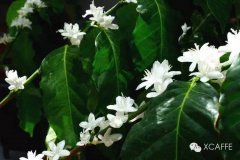
Bolivia, located near Brazil, the largest coffee producer in South America, is still an underrepresented country.
Bolivia, located near Brazil, South America's largest coffee producer, is still a place unknown to many coffee lovers. But the country is famous for producing high-quality coffee and has good conditions for coffee cultivation and production as well as Brazil. Bolivian raw beans are large and uniform in size, and the green ones are high-quality raw beans. The majority of Bolivian coffee varieties are Cadura.

How about Bolivian coffee beans? flavor description characteristics of producing area information
For professional baristas, please pay attention to the coffee workshop (Wechat official account cafe_style). South America is rich in coffee beans, and Bolivia is no exception. The unique tropical rain forest environment in some parts of Bolivia provides excellent natural conditions for the growth of organic coffee. The aroma of Bolivian coffee is rich and unique, whether it is the aroma of ground beans or the aroma of coffee produced.

Introduction to the planting environment of Bolivian coffee manor with rich and unique aroma
Wash Bolivia by hand with a cup of water, it is recommended to wash Bolivia with 15g powder at 87 degrees water temperature, water powder ratio at 1:15, moderate grinding (small Fuji ghost tooth knife 3.54grind), V60 filter cup, the first injection of 30g water for 25s, injection to 110g water cut off, wait for the powder bed water to half of the water and then water injection, slow water injection until 230g water, the tail section does not want, the extraction time is 2Jiang 00s. Flavor: roasted nuts and roasted nuts

Introduction to the flavor description method of Bolivian snow vein manor coffee with a very long-lasting sweet taste.
Takesi Manor, drinking water and coffee after harvest treatment, using alpine melting cold snow landscape, so we give her a nickname: Takesi Snow vein Manor; in addition to low temperature, pollution-free environment, fertile and well-drained volcanic soil, is also an element of coffee flavor, although the owner of Agrotakesi SA is rich, but deep respect for nature and the way to get along, but

Rich volcanic soil, more than 2000 meters above sea level, Bolivian coffee introduction
Although the United States is the largest exporter of instant coffee, not many people in the United States drink instant coffee. In recent years, they pay more and more attention to a healthy diet, the market for decaffeinated coffee is increasing, and the trend of drinking coffee without sugar is becoming more and more common. The origin of American coffee the name of American coffee comes from American soldiers in Europe who mixed hot water into small portions common in Europe during the war.

How much is Bolivian coffee?
Professional barista communication, please pay attention to coffee workshop (Weixin Official Accounts cafe_style ) Bolivia coffee overall taste rich and balanced, in addition to the good sour taste there is a light chocolate flavor, smooth taste is more smooth feeling, in contrast bitter taste is not obvious. The aftertaste of coffee is very good. After drinking, the sweet taste in the mouth lingers. The coffee brings

Introduction to Xuemai Manor, Flavor Manor in Bolivian Coffee producing area
Rich in mineral resources, mainly tin, antimony, tungsten, silver, zinc, lead, copper, nickel, iron, gold and so on. Mineral deposits are rich, with tin reserves of 1.15 million tons, ranking second in the world; iron reserves of 45 billion tons, second only to Brazil in Latin America; and lithium reserves of 100 million tons, ranking first in the world. [7] Oil and gas Bolivia is rich in oil and gas resources. Proven oil reserves are 929 million barrels, as of 2013

Bolivian Xuemai Manor introduces coffee varieties and flavor boutique coffee beans in producing areas
Bolivia was conquered by Spain at the end of the 15th century and became a Spanish colony in 1538, historically known as Peru, belonging to the governor district of La Plata, Spain. Bolivia was rescued from independence by Bolivar, a national hero from Caracas, Venezuela, during the War of Independence in Latin America in the 18th century, so the country was named after him. On August 6, 1825, it was announced that

Characteristic Information and Flavor description of Bolivian Coffee Bean
Professional barista exchanges please follow the coffee workshop (Wechat official account cafe_style) Lake Titicaca Copacabana country: Bolivia altitude: 3812m production area: Lake Titicaca roasting degree: moderate baking treatment: washed Lake Titicaca is located on the Coao Plateau on the border between Bolivia and Peru, is the highest and largest light in South America

Introduction to the production area of Bolivian Coffee with rich and unique aroma
Wash Bolivia by hand with a cup of water, it is recommended to use 15 grams of powder at 87 degrees water temperature, ratio of water to powder at 1:15, moderate grinding (small Fuji ghost tooth knife 3.5-4 grinding), V60 filter cup, the first injection of 30g water for 25s steaming, injection to 110g water cut off, waiting for powder bed water to half of the water and then water injection, slow water injection until 230g water, not at the end, extraction time 2fun 00s flavor: roasted nuts and apricot.

The taste of Bolivian coffee with a bitter taste an introduction to the characteristics of fine coffee in the manor area.
In 1863, rich saltpetre deposits were discovered in Atacama province along the Pacific coast. In 1879, Chile sent troops to occupy the mining area, and Bolivia joined forces with Peru to wage the Pacific War with Chile. Bolivia was defeated in 1883 and ceded the saltpeter-rich Pacific coast to Chile in 1904. Bolivia lost its only coastal province, including the important port of Antofagasta, from
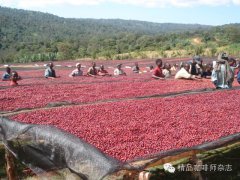
Bolivian coffee grows American coffee beans
Boutique coffee (specialty coffee) is also called specialty coffee selection coffee. It refers to coffee made from a small number of raw beans with excellent taste grown in an ideal geographical environment. Depending on the special soil and climatic conditions in which they grow, they have outstanding flavor. After strict selection and classification, this kind of coffee is hard in texture, rich in taste and stylish.